• Skip to primary navigation
  • Skip to main content
  • Skip to primary sidebar

That's So Primal

  • Home
  • About
  • My Story
  • Seasonings
  • Contact

Bone Broths Co. Beef Bone Broth Review

Bone Broths Co. Beef Bone Broth Review

The Bone Broths Co. Beef Bone Broth couldn’t have come at a better time.

My family and I were gone for the last holiday weekend and we’re pretty sure our daughter was getting sick, which eventually leads to my wife and I getting sick. This, coupled with a busy week at work, didn’t really lend time for me to make my own bone broth from scratch at an attempt to fight whatever cold might be coming our way. So the week goes by and my wife and I feel worse as each day goes on, leaving me wishing I had stored up bone broth in the freezer – which I don’t.
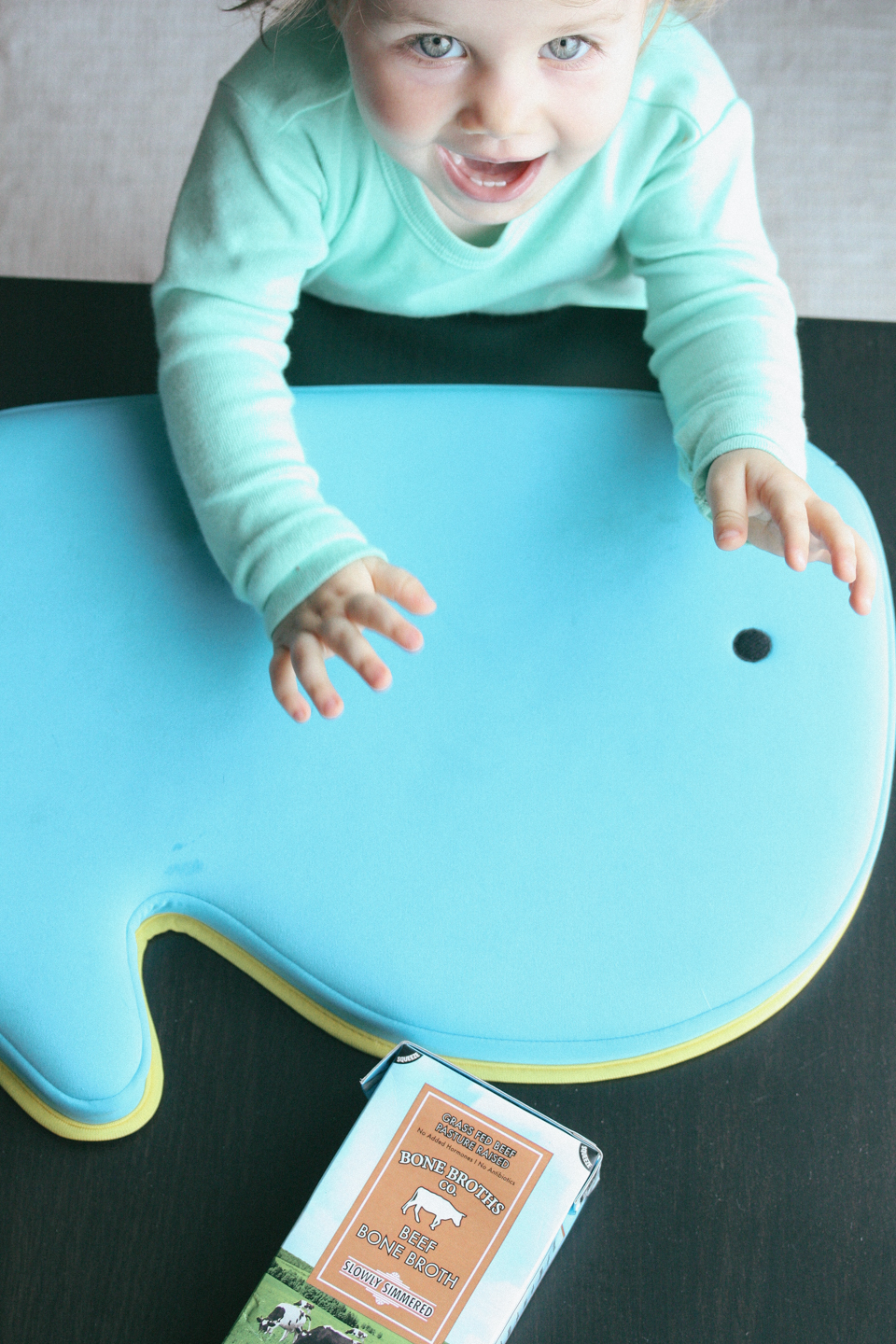
Jillian, aka Patient Zero
Jillian, aka Patient Zero, thought the whale wanted to be in the product shot.

Enter Bone Broth Co.

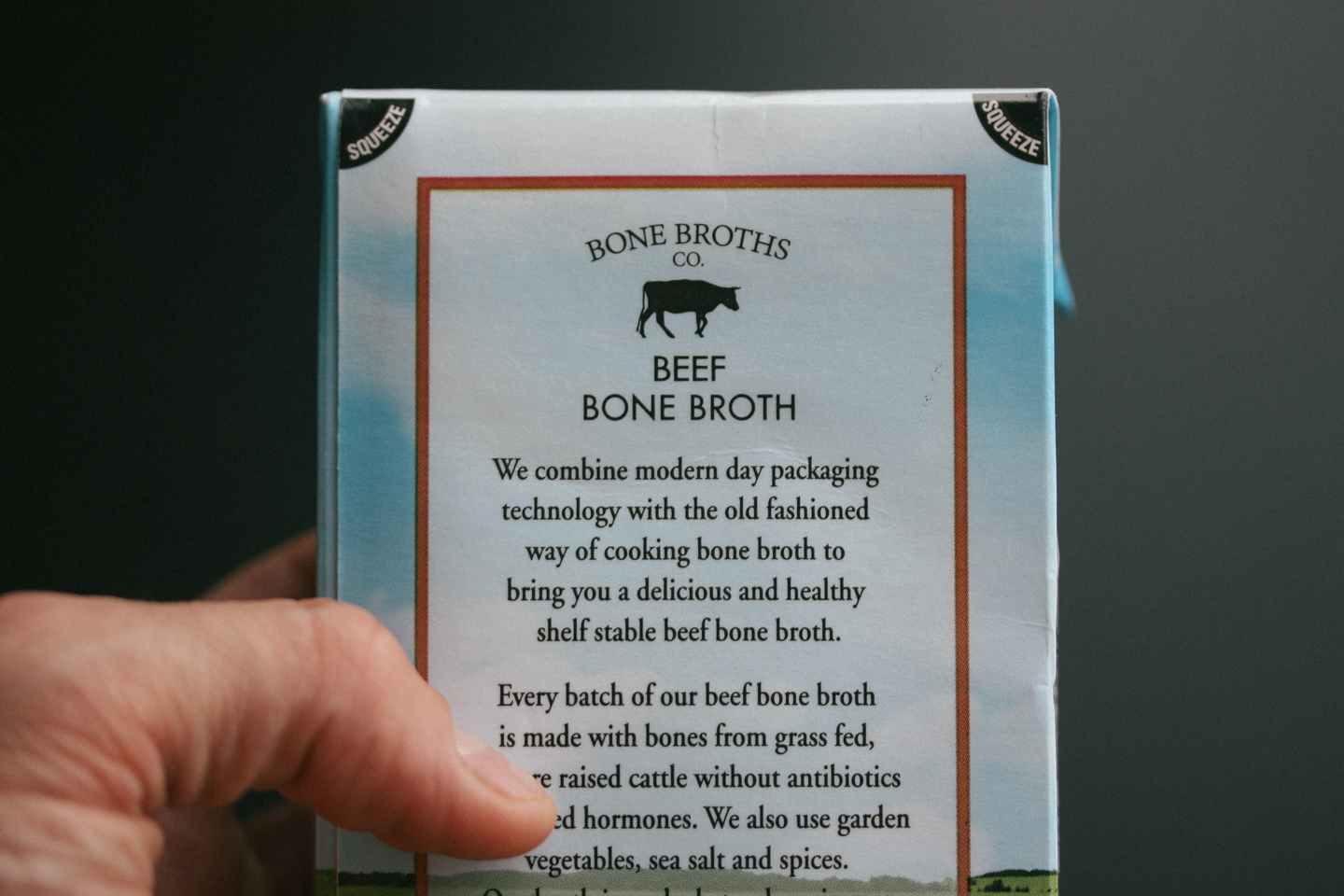
They are the first to sell a shelf stable grass fed bone broth. They were generous enough to send a box my way for review. At this moment I couldn’t be happier because this is where a product like this shines: you don’t have enough time to get ahead of a cold or sickness to slow simmer bones for 24+ hours. This product enables me to grab for some shelf stable superfood that I didn’t have to prepare myself.
Bone Broths Co. Beef Bone Broth Review

Superfood you say?

Why is bone broth a superfood you ask? Bone broth is unique among the typical stocks you find in your grocery store because of how long the bones are simmered for. Typical broth in stores or the broth you learn to make right off the bat in culinary school only simmers bones and vegetables for about 45 minutes – 2 hours. Stock, as opposed to broth, is simmered a little longer at 3–4 hours. But bone broth is normally simmered 24+ hours. The reason this is so beneficial for the body, especially when you’re sick is because of 3 main things that come out in the simmering process. Mark Sisson points out these three things in this post, but in short it’s this: Gelatin, Hyaluronic acid and Chondroitin sulfate. Not to mention the abundance of minerals, bone marrow and collagen found in the bones as well. These nutrients are all derived from the bones, joints and cartilage that you wouldn’t otherwise consume or eat necessarily. Being that this particular bone broth comes from grass fed cows, which increases the nutrient density of this particular animal, means that the nutrients you’re getting from these bones is that much better for you than from a cow not fed a pastured diet. The latter nutrient for example, Chondroitin sulfate, is normally what’s found in glucosamine supplements to help with joint pain. The most important nutrient in the bone broth, in my opinion, is the gelatin. Gelatin has been found to reduce joint pain and to improve your quality of sleep. And with how important sleep is overall, and when you’re sick in particular, it’s a great thing to incorporate gelatin into your diet when your trying to get over a sickness.
Bone Broths Co. Beef Bone Broth Review

I love this write up that the fat burning man wrote up where he analyzes the typical Campbell’s chicken noodle soup ingredients and he points out how un-nutritious all the things are: MSG, cornstarch, soy protein, wheat. It’s pretty terrible. The reality is, if your sick or getting sick you shouldn’t go buy some off the shelf stock chicken water. You should make your own bone broth or if you’re out of time you should buy some shelf stable grass fed bone broth.
Bone Broths Co. Beef Bone Broth Review

But you drink it out of a mug?

Now ideally we should be using bone broth all the time in various ways in addition to how I’m going to review it here by just drinking it straight out of a mug. You can also follow Bone Broths Co. Instagram where they post a bunch of recipes of how to use their bone broth. Or if you’re ok eating white rice you can use the bone broth as the liquid to cook it as The Domestic Man points out in his book The Ancestral Table. Essentially you can use this in any place a stock is called for in a recipe but it will just be a sort of superfood added to any dish.

Even Shailene Woodley, the actress from The Divergent Series, thinks it’s a superfood.

Got bone broth? #ShaileneWoodley shares her delicious recipe. #Insurgent

A photo posted by Late Show with David Letterman (@letterman) on Mar 16, 2015 at 7:24pm PDT

Now I’d still like to treat this as a regular product review where we look at the nutritional profile, affordability and taste. So let’s get into it.

Nutritional Profile

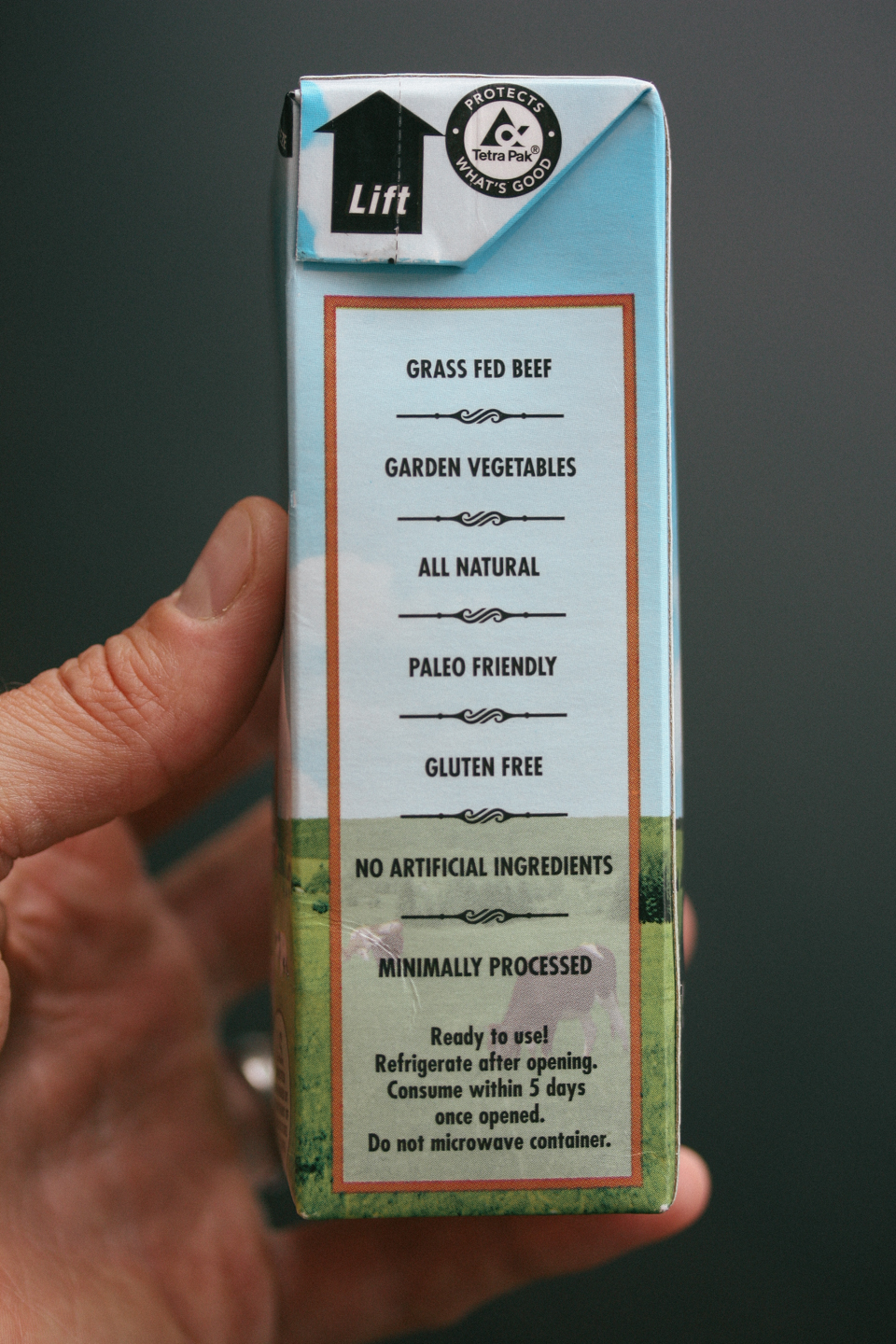
For those of you who know about bone broth, you don’t really pay attention to the nutrition facts label like you would other foods, like say cricket bars. You want to look at the quality of the ingredients that will be simmered for 24+ hours. That’s where Bone Broths Co. gets it right. Every batch of their beef bone broth is made with bones from 100% grass fed, pasture grazed cattle that are antibiotic and hormone free. They also use all organic vegetables, sea salt and herbs. I’m pretty sure it doesn’t get better than that. All that nutrition in that pastured animal will reveal itself in those slow simmered bones once the simmering is over.

As we’ve already covered. Bone broth and stock in your traditional grocery store are not the same thing. The stock in the stores is just flavored chicken or beef water. So to compare the nutrition of that to this bone broth is no competition. You just won’t find the Gelatin and minerals found in this bone broth in anything else in store shelves (unless of course your store carries Bone Broth Co.)

Affordability

So how do you really address affordability? Regular stock in the stores is about $2-$4 for a 32oz container. This bone broth is about $12 for 17.6oz. That’s about 3x more expensive than chicken or beef flavored water. But that’s not what you should compare this to. You need to compare the price of the bone broth to the time it would take you to slow simmer this superfood yourself. Sure you can make some bone broth yourself if you have easy access to pastured beef bones, and if you have the time on your side of stocking (no pun intended) up on bone broth.

You’re really paying for convenience and quality with this bone broth and you’ll need to take that into consideration to see if this fits in your budget for your family. Personally I see this as a valuable product to keep in my pantry as backup/emergency purposes. Why? Because I don’t always have bone broth in my freezer and because this is the only shelf stable grass fed bone broth out there. I think this is a great product and like I said it came at the perfect time for me and my family and I imagine it may do the same for you and your family as we go into the flu season.

The guys from Bone Broths Co. are great and offer a discount when you sign up for their newsletter and they ship out same day when you order, so I suggest you check that out.

Taste

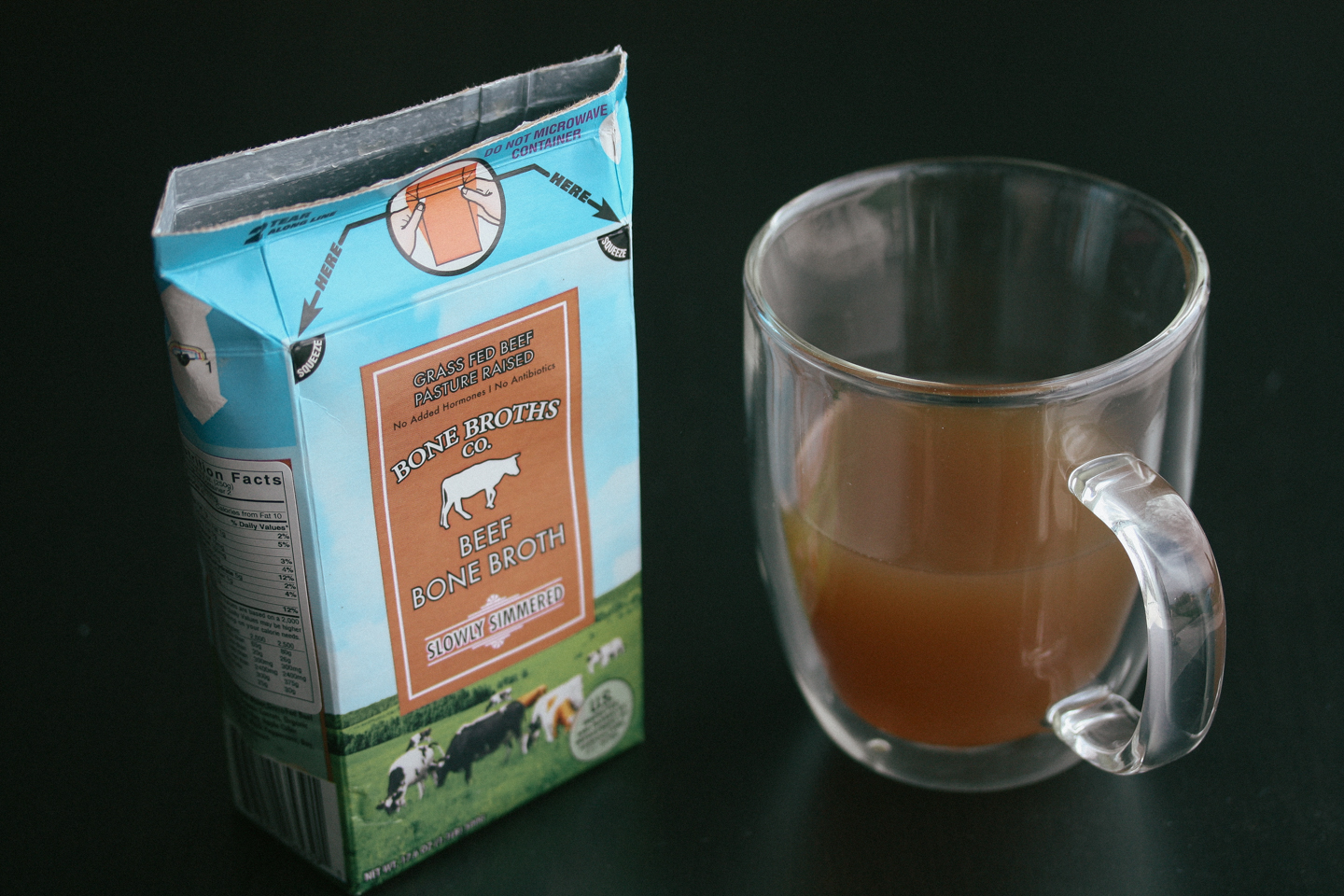
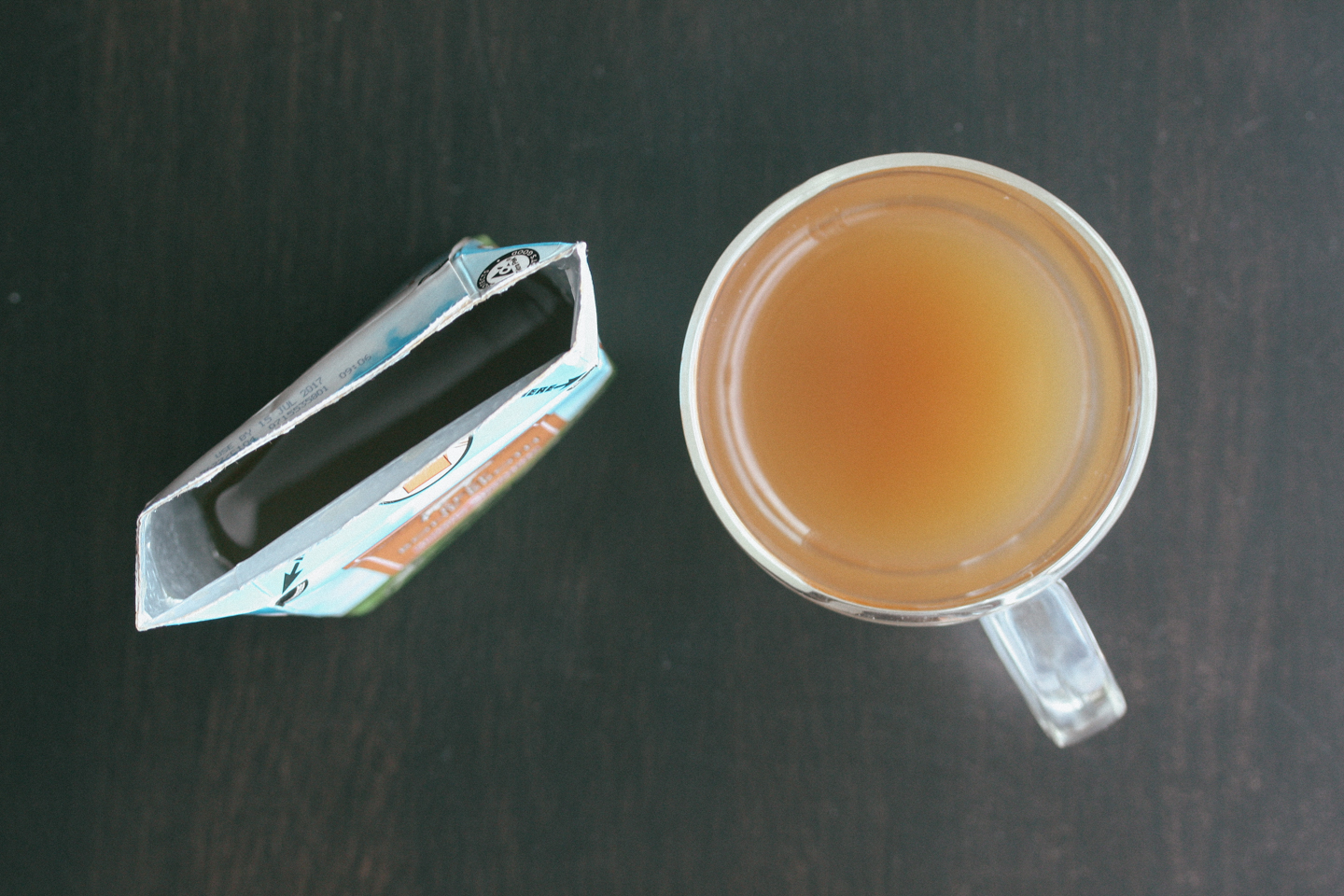
Nothing like a warm mug of slow simmered beef bones. It’s a flavor and smell that tells my brain that I’m consuming something that’s good for me. As cheesy as that sounds it’s true. It’s kinda like when you drink kombucha you know there’s all these little Navy Seal like bacteria heading to your gut to wage war on everything that shouldn’t be in my gut… Or am I the only one who has that picture when drinking kombucha or bone broth? Ok maybe it’s just me. Nevertheless Bone Broths Co. hit the nail on the head with the taste of this. The taste of this bone broth tastes almost exactly like the batches I’ve made following the recipe in The Ancestral Table.

If you made bone broth yourself you might jack up the taste if you leave something out, but rest assured there’s no jacked up taste to this broth. You can enjoy it just like I did and pour it right in a mug, warm it up and sip away!

Bone Broths Co. Beef Bone Broth Review

Conclusion

I’m super thankful for the wonderful people at Bone Broths Co. for making this product and for getting it over to me when I needed it most. Definitely a valuable product in my home and I plan to line my pantry with a few just to have on hand. I suggest you do the same because you never know when your kids are going to try to pass on their mad cow bubonic plague flu to you.

Russ Crandall Interview

Russ Crandall

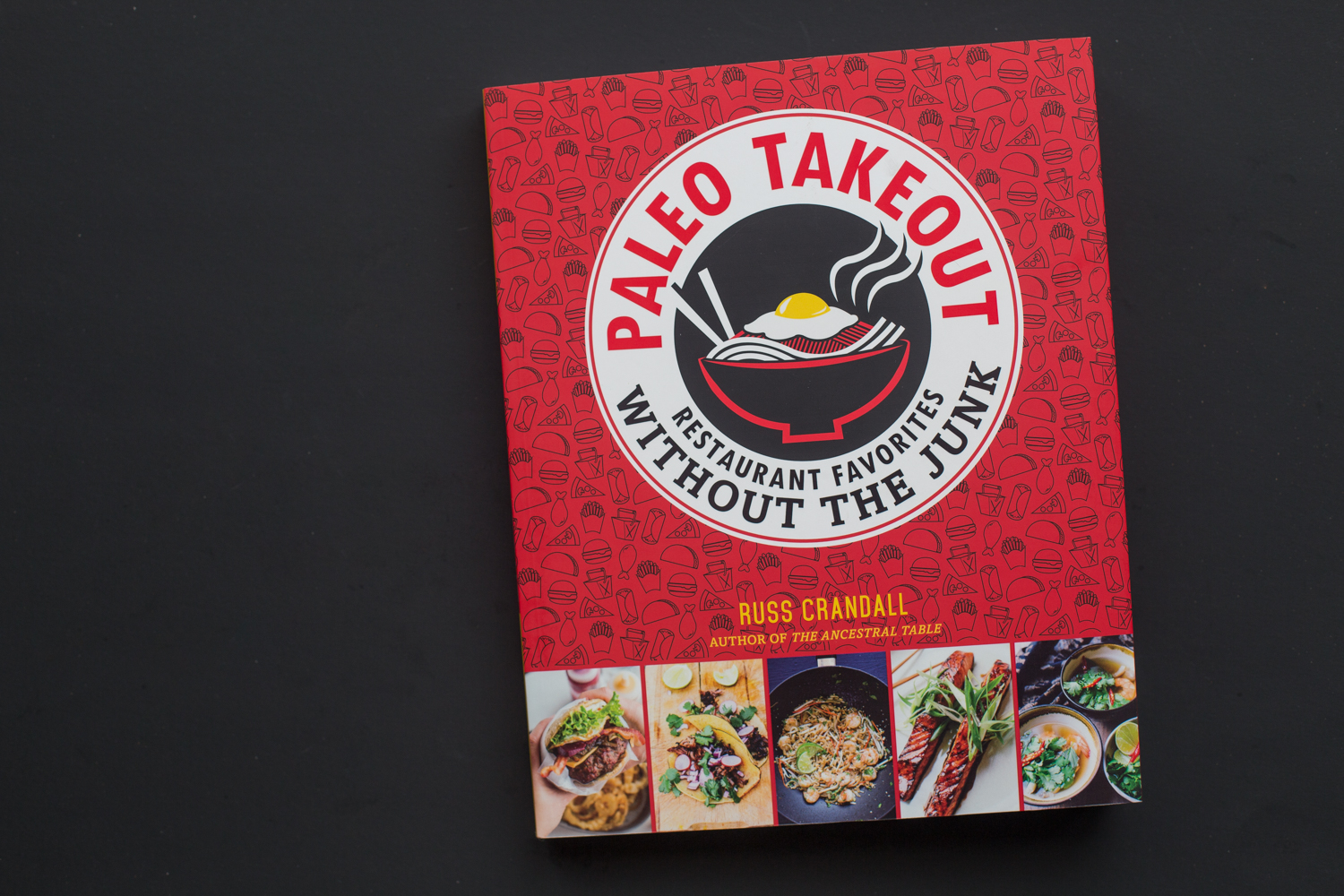
Russ Crandall of The Domestic Man was generous enough to answer some questions for me while he was out touring his new book Paleo Takeout. I wanted to do something special for our first interview here on That’s So Primal and offer a chance to win a free copy of his new book if you sign up for our newsletter. So go ahead and fill out your email in the newsletter box to have a chance at winning his amazing new book. I’ll announce the winner Monday, September 21, 2015.

Now, onto Russ Crandall. I fell in love with his recipes when I first made this pizza dough recipe that was linked to from Mark’s Daily Apple. This is still by far the best Paleo pizza dough recipe I’ve tried to date. Ever since then, I’ve followed his blog intently and bought all his books as soon as they came out. Therefore, it is with great pleasure that I was able to do this interview with Russ and without further ado, Here’s Russ:

Before we get into it, tell us a little bit about yourself and how you got into Paleo.

I had always felt like I was a healthy guy, but then in 2005, at the age of 24, I had a stroke. It affected the left side of my body, and I had to re-learn basic movements like walking and writing. In 2006, I grew increasingly short of breath all the time, and we later figured out it was caused by inflamed pulmonary arteries. I was diagnosed with the autoimmune disease Takayasu’s Arteritis, and placed on heavy immunosuppressant drug therapy. After about a year of the therapy, I was sick of dealing with the cocktail of drugs and their side effects. I elected to undergo an open-heart surgery to try and fix my symptoms; it didn’t really work – I went back on my medications and tried my best to deal with my symptoms. But then in 2010 I came across a food blog that mentioned the burgeoning Paleo movement, and I decided to try it out. My bloodwork and symptoms improved dramatically during that first month, and I’ve been enjoying improved health ever since. I started blogging and sharing recipes immediately thereafter and the rest is history!

Paleo Takeout

Tell us a little bit about your newest book, Paleo Takeout.

The idea for Paleo Takeout mostly fell into my lap as the result of many factors. I spent seven years in Hawaii and I traveled all through Asia as part of my service in the Navy (I’ve been active duty since 2000). At home, I’d say about 1/3 of our meals are Asian-inspired, so it’s a cuisine that comes naturally. At first I wanted to write an eBook recreating Chinese-American takeout favorites, but over time it evolved into a full-fledged print book with over 200 recipes that run the gamut of takeout cuisine: Chinese, Japanese, Korean, Thai, Vietnamese, American, Mexican, Italian, and Greek. I had a lot of fun writing the book and I think it’s a great fit for two audiences in particular: those who have ben eating Paleo for a while but miss some of their favorite flavors, and those who aren’t quite ready to dive into Paleo because they can’t quite shake the idea of losing out on their favorite takeout dishes.

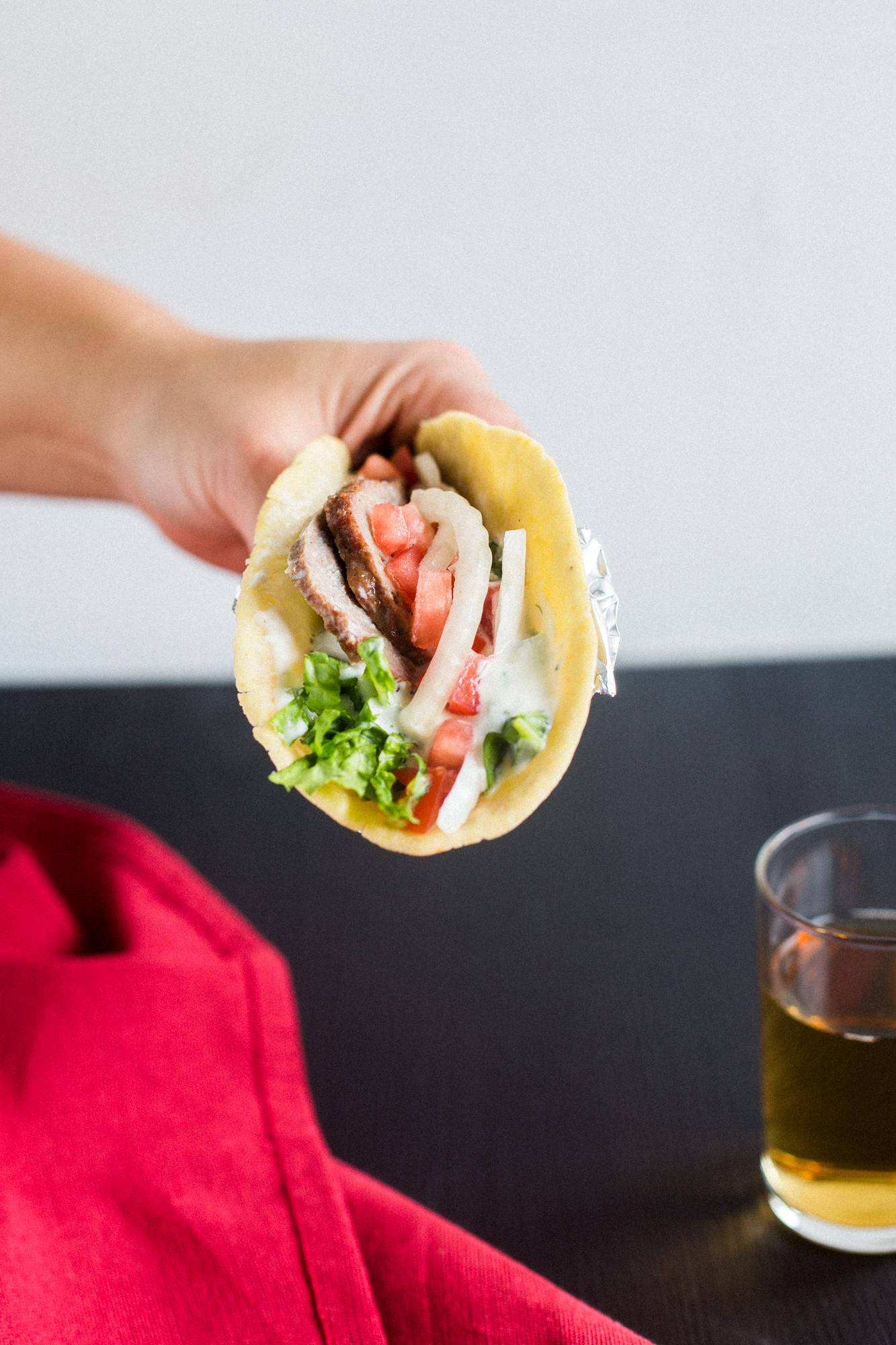
Gyro

What’s your favorite recipe out of the book?

One of my favorite recipes from the book is the Gyros recipe; it’s a cinch to put together and has that same springy texture as you’d expect in Greek or Middle Eastern restaurants. It’s cooked in a loaf which can be sliced and pan-fried (or enjoyed as-is). The loaves can be frozen for super quick meals, too!

What does a healthy diet and lifestyle look like to you and your family?

Our eating habits are aligned to your typical Paleo diet (meat, seafood, vegetables, fruit, and nuts) but we do eat white rice and some dairy, too. It took us several months of tweaking to find out what foods worked best for us, but it’s been smooth sailing for the past few years now. For example, I learned that I can’t have dairy more than a couple times a week, and only in certain forms (butter, ghee, cream, and hard cheese).

I remember reading one of your posts awhile back where you said one of your quick go to meals was rice with furikake and sardines, do you and your family eat any other quick staple meals like this that you eat on a regular basis?

Our other fallback meals include fried rice, and simple soups. Both are great ways to clean out the fridge and only take a few minutes to make. We keep various broths in our freezer for soups, and we refrigerate leftover rice for the fried rice.

What does a typical week of meals look like for your family?

Our family sticks to a pretty simple routine, revolving around dinner. We make dinner with enough portions for leftovers, and then have that for lunch the following day. I will skip breakfast or eat something simple like fruit and canned/smoked fish. My son Oliver and wife Janey will usually have eggs for breakfast. And that’s really about it!

How do you and your family do meal planning?

Our meal planning involves buying meat in bulk and storing it in a standalone freezer. We keep an inventory of the meat and use that to plan out our meals for the week. We will pull the meat out to thaw in the fridge and then build our meals around that with fresh (and sometimes flash-frozen) vegetables. Buying our meat in bulk helps to temper some of the costs associated with well-raised meat, but it can still be somewhat pricy. Another way we keep our weekly costs down is to incorporate safe starches into our meals, namely white rice and potatoes. Pound for pound, they’re some of the most economical foods you can buy; for my eBook, The Safe Starch Cookbook, I did some cost comparisons and figured out that adding these foods as calorie sources can save about $68 per person a month, which comes out to over $4,000 a year for a family of five.

Can you always afford to buy top quality meat, grass fed/pastured? Or if your budget doesn’t afford it do you do conventional meat?

When cooking at home we tend to use high-quality pork and beef that we buy online or in bulk. Poultry we tend to buy organic but not necessarily pasture-raised because the latter tends to be cost-prohibitive for us. When we do buy beef or pork that isn’t grass-fed or pasture raised, we trim the fat off it or buy leaner cuts.

What kind of meals do you prepare for your son? Does he eat the same thing you guys eat at each meal?

Even before changing our diet, we never believed in “kid food”. So Oliver eats what we eat, although we don’t force vegetables (especially leafy vegetables) on him. If he wants to eat them, fine, but we don’t like the idea of pressuring him to eat them. We’ll usually build his plate with equal portions meat, starch, and vegetables; he usually eats the meat and starch first, and if he asks for more we’ll tell him to finish the vegetables and then he can have whatever else he wants. It works well for us.

When you’re not eating at home, what kind of food do you normally eat when you eat out?

When eating out, we usually stick to Asian places: Vietnamese, Japanese (sushi), Thai, and Indian are our typical choices. It’s fairly easy to order from these menus and choose gluten-free items.

What are some of the struggles/roadblocks, if any, do you run into eating Paleo with your family?

It’s always a challenge to eat well while on the road – vacation, road trips, etc. There’s only so often you can eat bunless burgers or sushi before you want something a little more satisfying. Eating well on the cheap is always challenging, but like I mentioned, forethought like buying in bulk or using resources like eatwild.com to find high-quality meat suppliers helps.

What’s your inspiration for thinking of new recipes? What does that process look like?

Since most of my recipes are based on traditional and international cuisines, I end up looking through international and historical sources (cookbooks, websites) for inspiration. I also periodically ask my readers what they’d like to see from me, and keep a running list of reader requests and potential future recipes. When something doesn’t organically happen for me (they usually just pop up in my head), I’ll consult that list.

For any new families out there getting into Paleo, what would be some tips you would give them for just starting out?

I would suggest looking for a local support group, through Meetup.com, Facebook, or your local health food store. These groups are invaluable resources since many of them have already done the groundwork. Secondly, I would say not to sweat too much about getting everything perfect. It’s much more beneficial to ease your family into a healthier lifestyle than to try and do everything at once. It took us months to finally get into a groove and I think that by taking it one step at a time we were able to make more manageable decisions over time.

What is your favorite: protein, vegetable (leafy or hardy), starch and fat?

My favorite protein is seafood, probably clams or oysters. My favorite vegetable is collard greens. My favorite starch is rice. My favorite fat is duck fat!

What can we expect next from The Domestic Man?

I’m going to be taking some time off from the cookbook world – no plans for a new book anytime soon. Instead, I’ll be diving headfirst into my blog, updating and tweaking it a bit. From there, I’m not quite sure, but I’ll definitely come up with something to work on!

More Russ Crandall

thedomesticman.com

@thedomesticman

Buy His Cookbooks

The Ancestral Table

Paleo Takeout

Signup for my newsletter for a chance to win Paleo Takeout

Kitchen Essentials

Kitchen Essentials

When I got married my wife and I got a bunch of wedding gifts for the kitchen that we thought we would be using all the time. As it turns out, we didn’t end up using all the gadgets we got for our wedding all the time. Some of it yes, but most of it no. I really only use a handful of all the gadgets we got from our wedding. Along the way in this Primal journey I’ve picked up a few more kitchen essentials that I use everyday. Listed below are my top kitchen essentials:


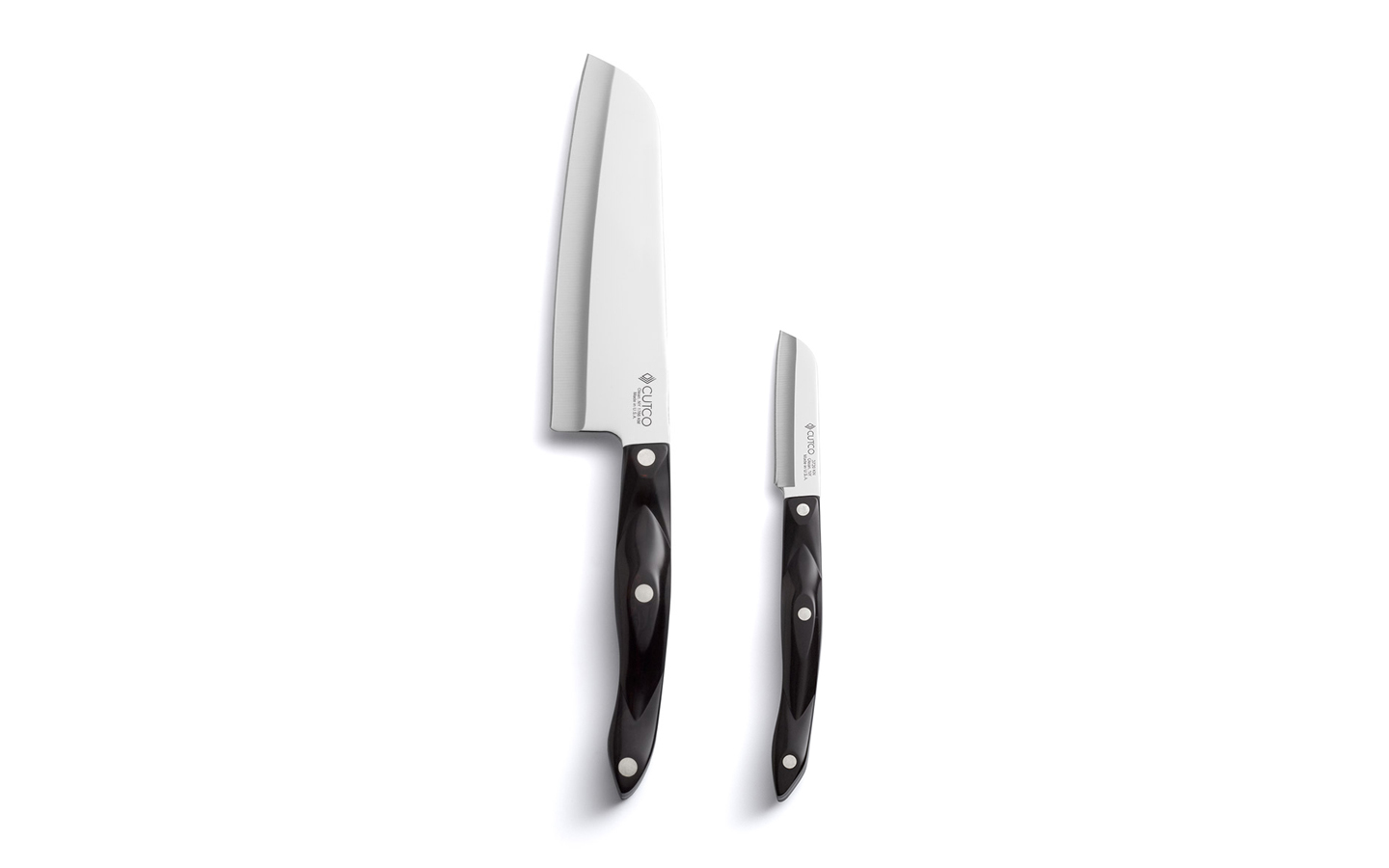
Cutco Santoku

Chef Knife & Pairing Knife

You really only need 2 knives in the kitchen. A Chef’s knife (or Santoku, whatever your preference), and a pairing knife. Other than that, I’ve really never needed any of those other knives that come in the kits you get for a wedding gift or that you see in the big box stores. I got these Cutco knives as a wedding gift and I love them. They’re made in the USA by the same company that makes the knives for our marines: Kabar. You can check out their site to learn about picking them up from a Cutco representative. Otherwise I suggest this Wustof santoku and pairing knife. Cutco link.


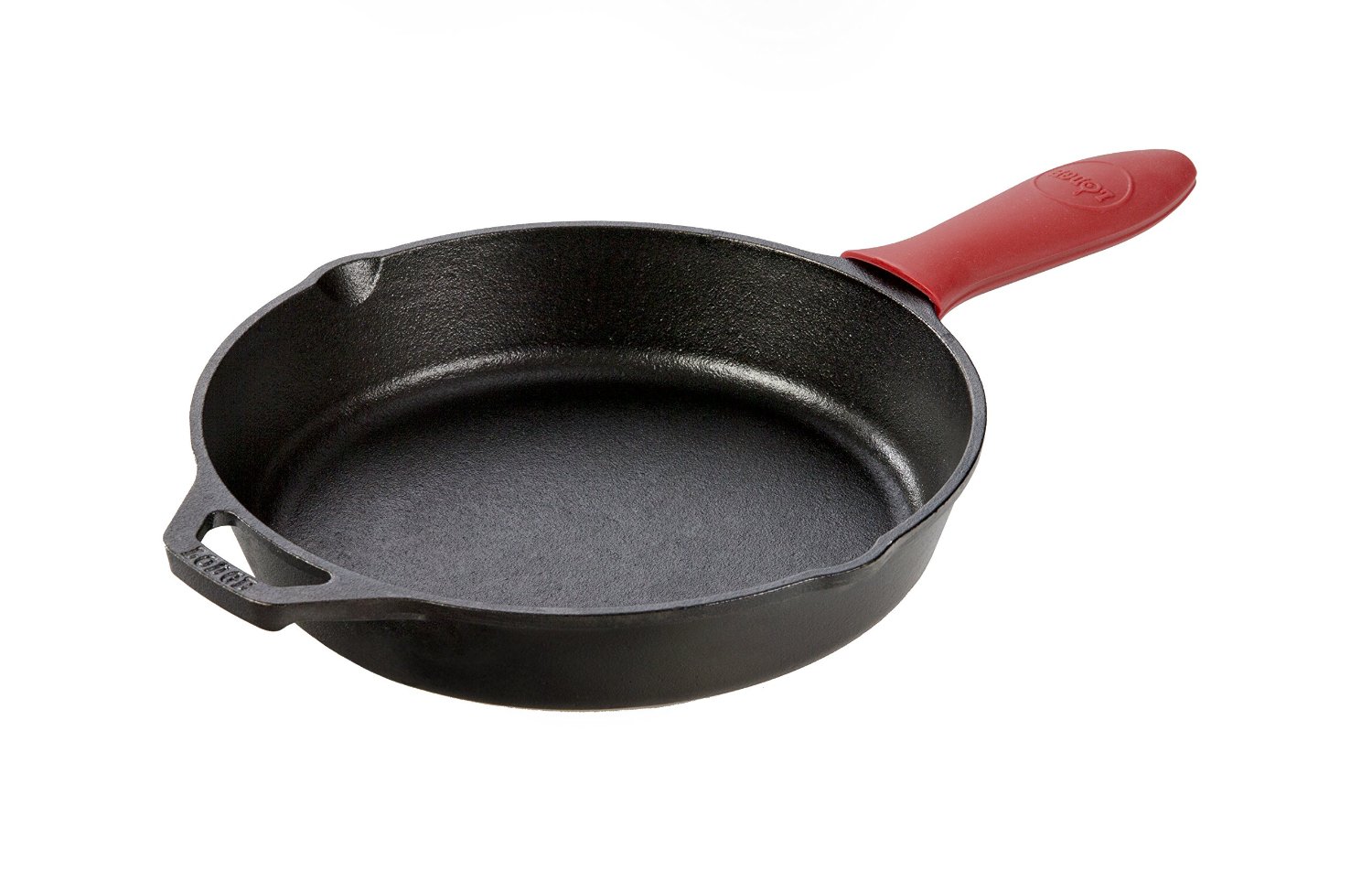
Lodge Cast Iron Skillet

Lodge Cast Iron Skillet

I use this skillet all the time. Sometimes it’s annoying when trying to clean it because it’s super heavy. But it’s nice to have another made in USA product that I use in the kitchen all the time. Most dishes can be cooked in this from bacon, eggs, brussels sprouts, etc… My wife has a hard time using this because certain foods still stick and because it’s heavy. So to make it easier for her we use this skillet from time to time. When the non-stick coating wears out (which is probably what causes cancer) we’ll just buy a new one. Amazon link.


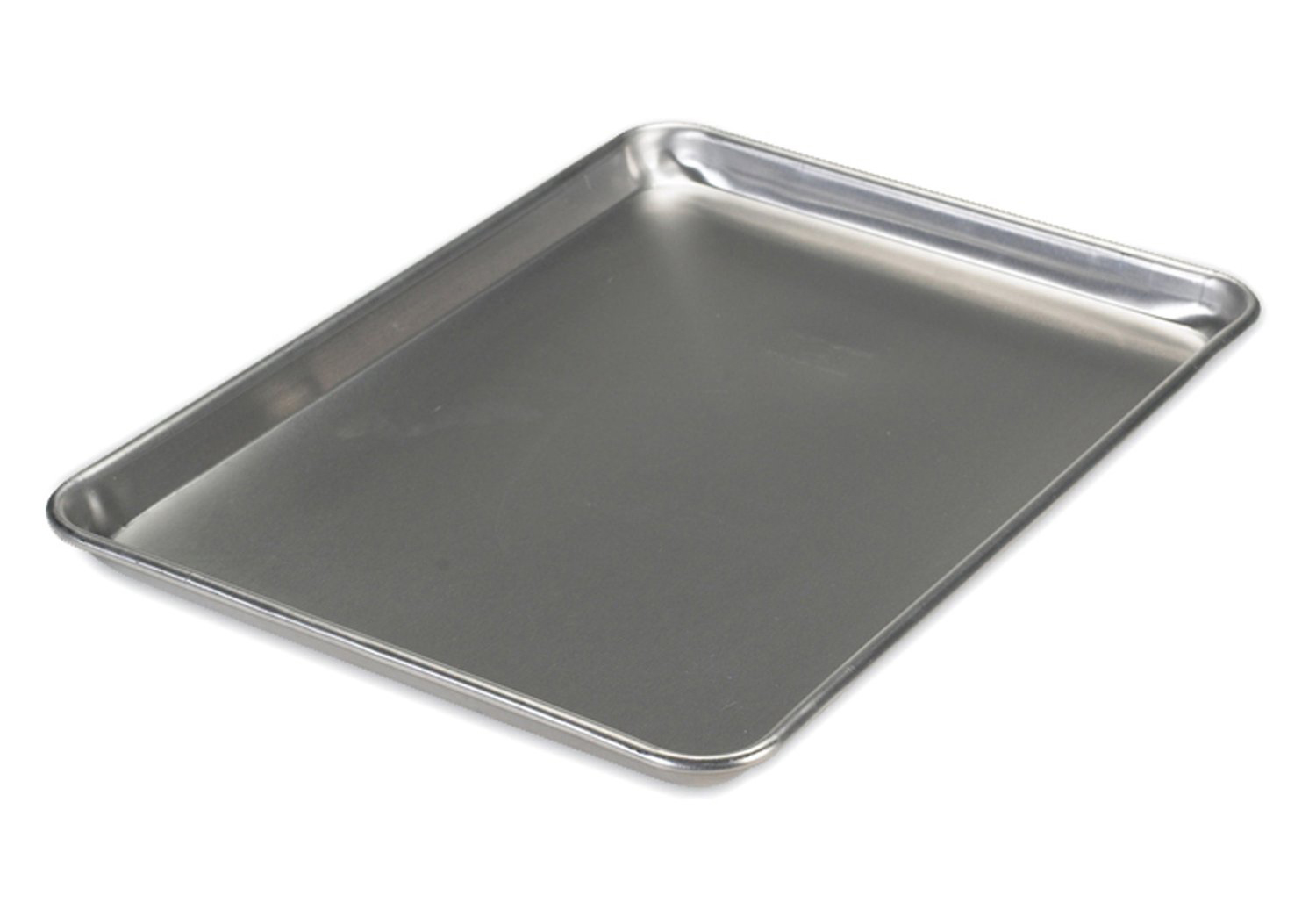
Baking Sheet

Baking Sheets

You may need a couple of these for roasting veggies. We roast a lot of veggies tossed in butter, olive oil, lard or coconut oil. We do use the steamer from time to time and add butter after steaming, but roasting is different. It brings out a whole different flavor, but most importantly you can set it and forget it (until the timer goes off). It’s also easy to clean up if you use aluminum foil. Amazon link.


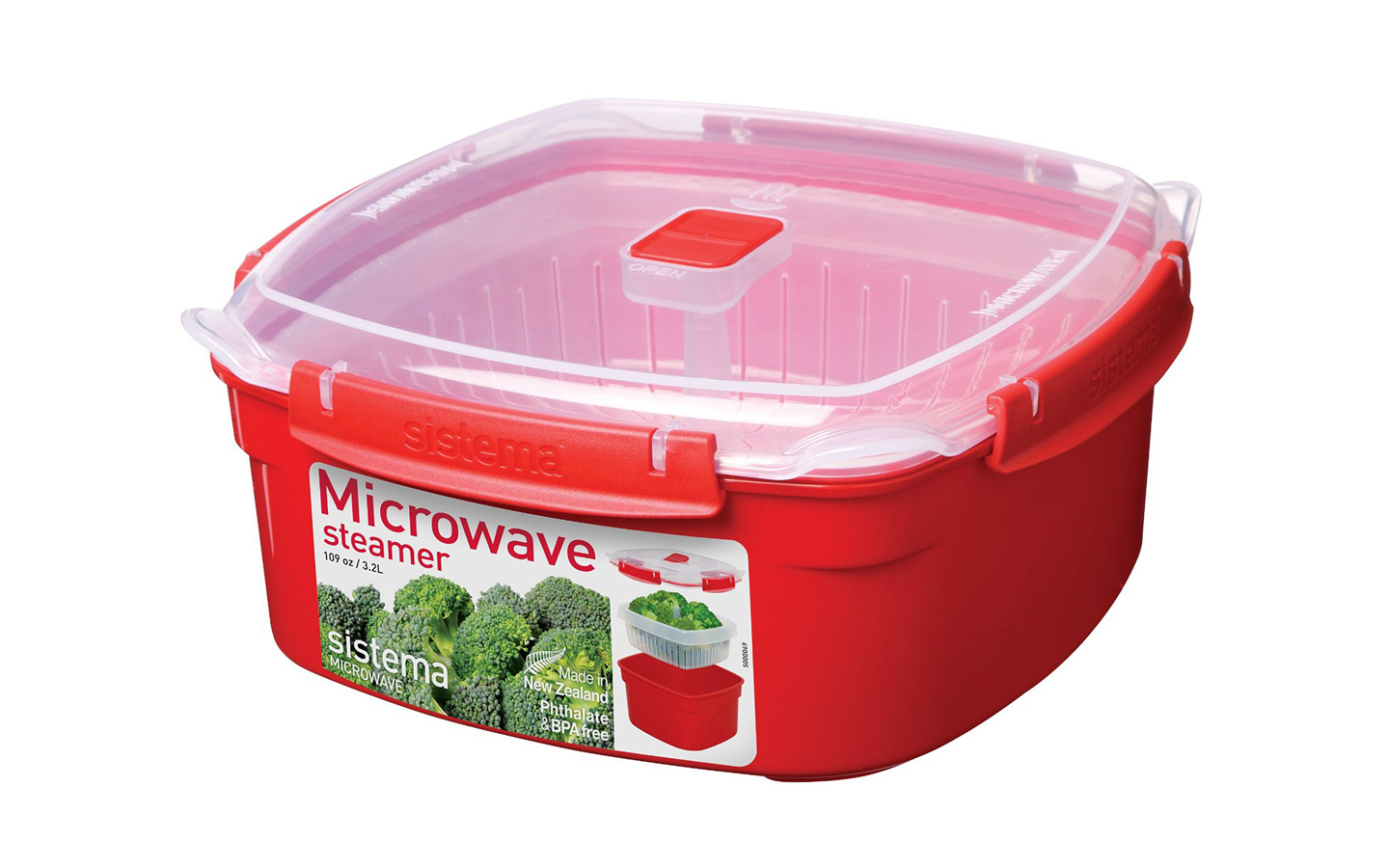
Microwave Steamer

Microwave Steamer

For when you’re really in a jam to have a side of veggies for dinner and don’t have time to warm the oven you can use a steamer and add fat and spices after they’re done steaming. Super easy cleanup after and it’s a fast way to add more veggies to your plate. We use this a lot with broccoli, cabbage or carrots. Amazon link.


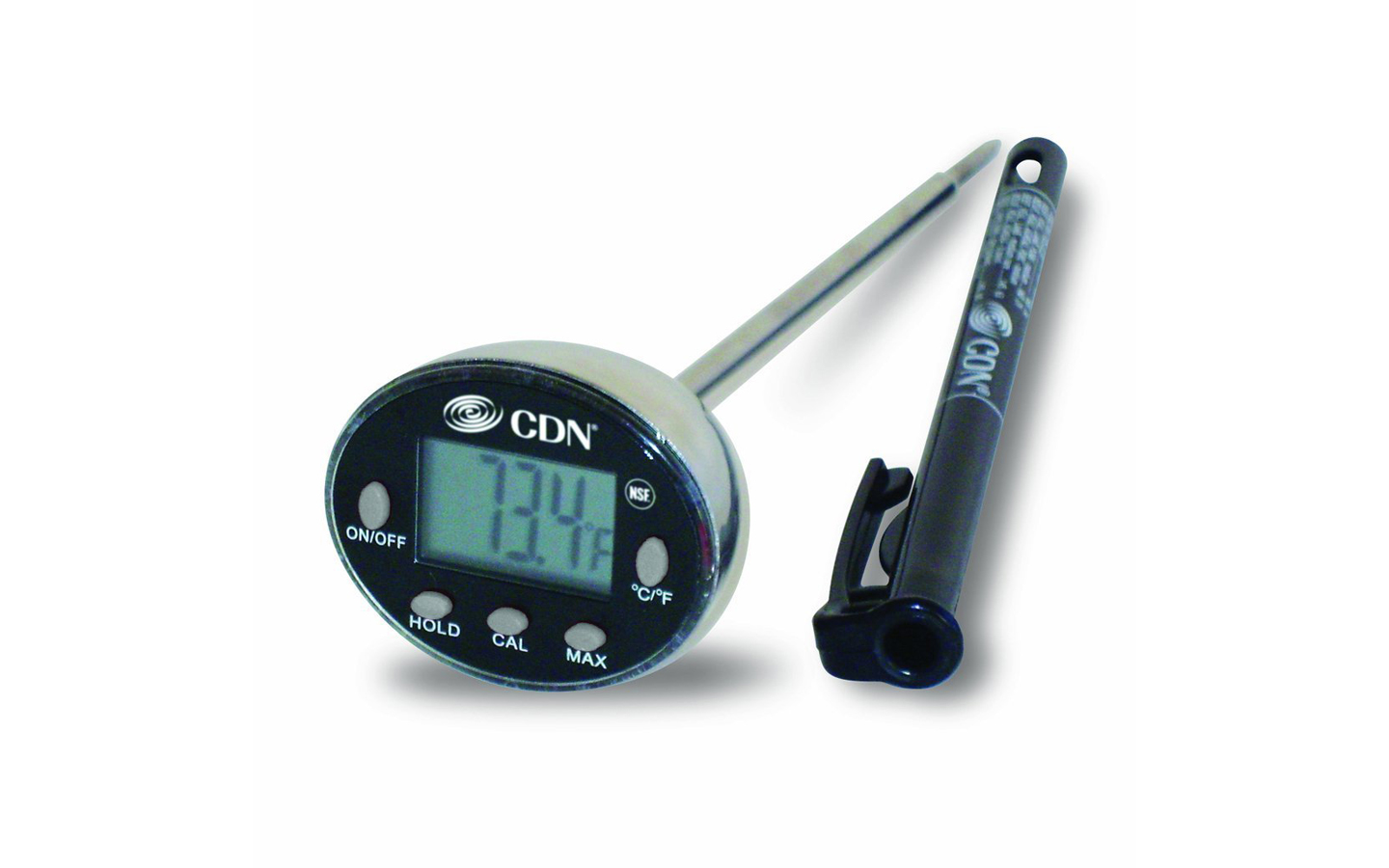
Meat Thermometer

Meat Thermometer

I never understood the beef hand pressing doneness technique people do. I don’t trust chicken that could potentially be undercooked and Pork temperature is important to watch so you’re not chewing on a brick. So, that’s why I use a meat thermometer. I like to make sure my chicken is up to 165° and everything else I can cook and serve at whatever doneness people desire. Amazon link.


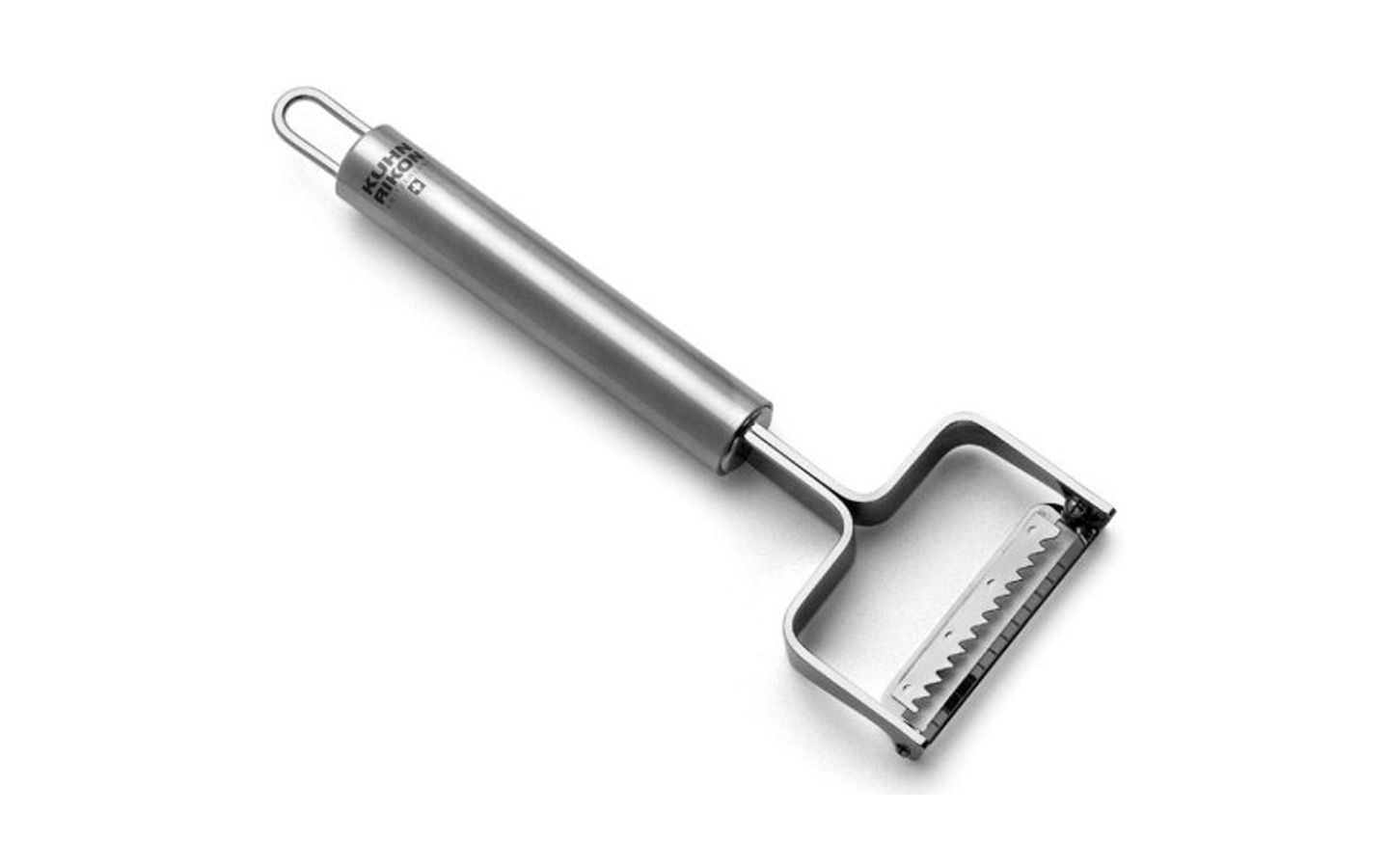
Julienne Peeler

Julienne Peeler

We ate a lot of spaghetti before going Primal. This tool and a zucchini plant in our garden at home has allowed us to continue to feed that spaghetti craving (addiction). Using this tool to make noodles out of zucchini is super easy. For each meal we use about 2 medium sized zucchinis per person. After we make the noodles we just put them in a covered microwave safe container and microwave for 2 minutes and you’re good to go. Amazon link.


Food Processor

Food Processor

This was an expensive kitchen essential that we got as a wedding gift and we use it all time. Primarily when making cauliflower rice, which we do a lot. But I use it for nut butters, slicing jerky and a variety of other recipes. We don’t have some gnarly expensive blender, but this one does exactly what we need it to do. Amazon link.


Bonavita

Bonavita

I have a lot of ways to make coffee at home from a Chemex, to the Aeropress, to the Clever Coffee Dripper. But the Bonavita is what gets used the most. I just measure out my coffee with this scale, grind it up and brew. Makes a great cup of coffee without having to be too hands on. Amazon link.

Dad’s Ribs

Dad's Ribs

My dad makes the best ribs. Whenever we have family gatherings at my parents house or at the river, I always hint at my dad to make his ribs. Over the years I’ve kept asking him for the recipe and it always was very hard to get the whole thing out of him until I finally sat him down and said, “Dad, I NEED your rib recipe, what are the exact ingredients and how do you make them?!”

This recipe will never fail to yield fall off the bone ribs. Everyone who tries his ribs always want to know how to make them, and they’re always surprised to hear how easy they are to make. Now, I will be able to point them to this post!

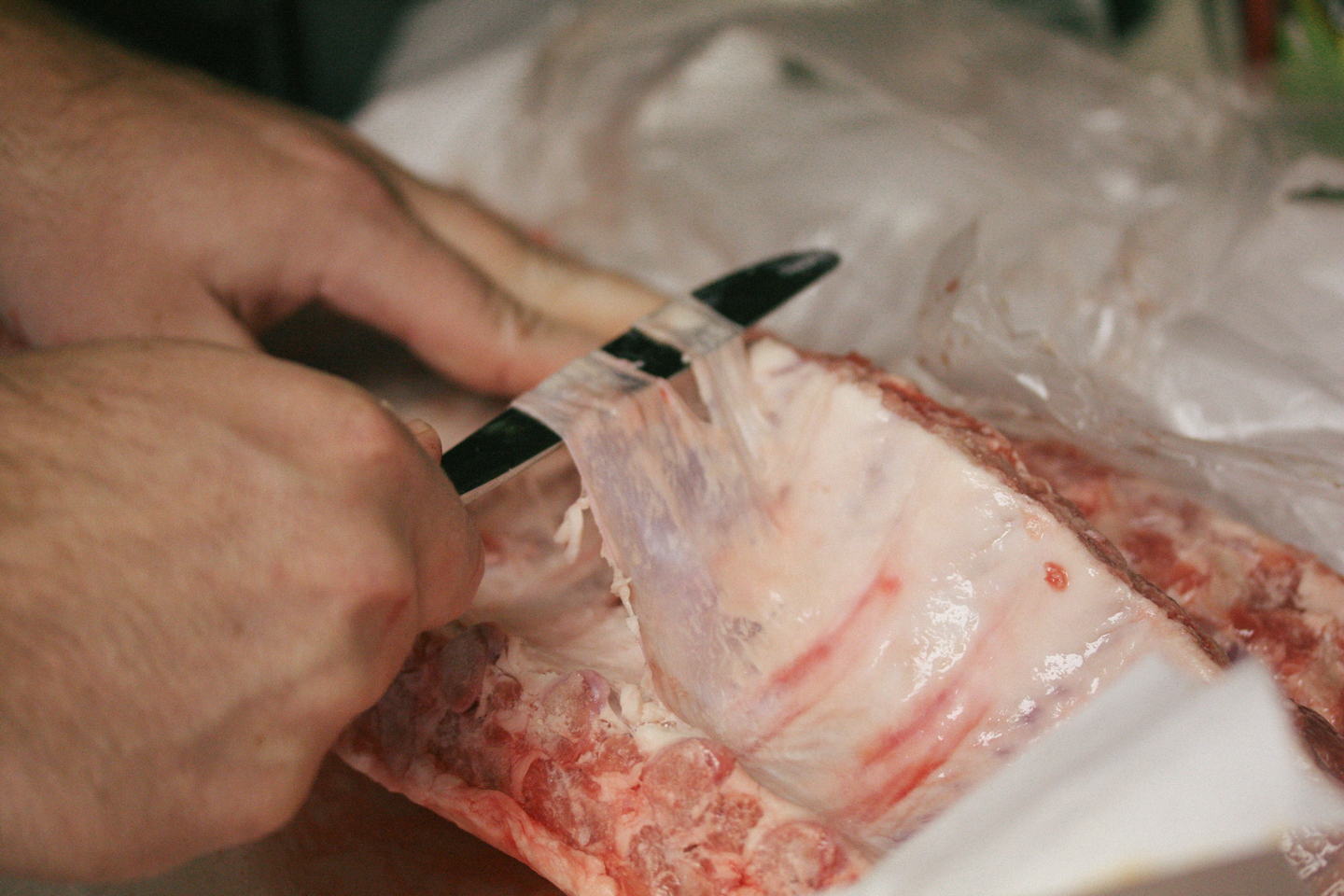
Use a butter knife to remove the membrane

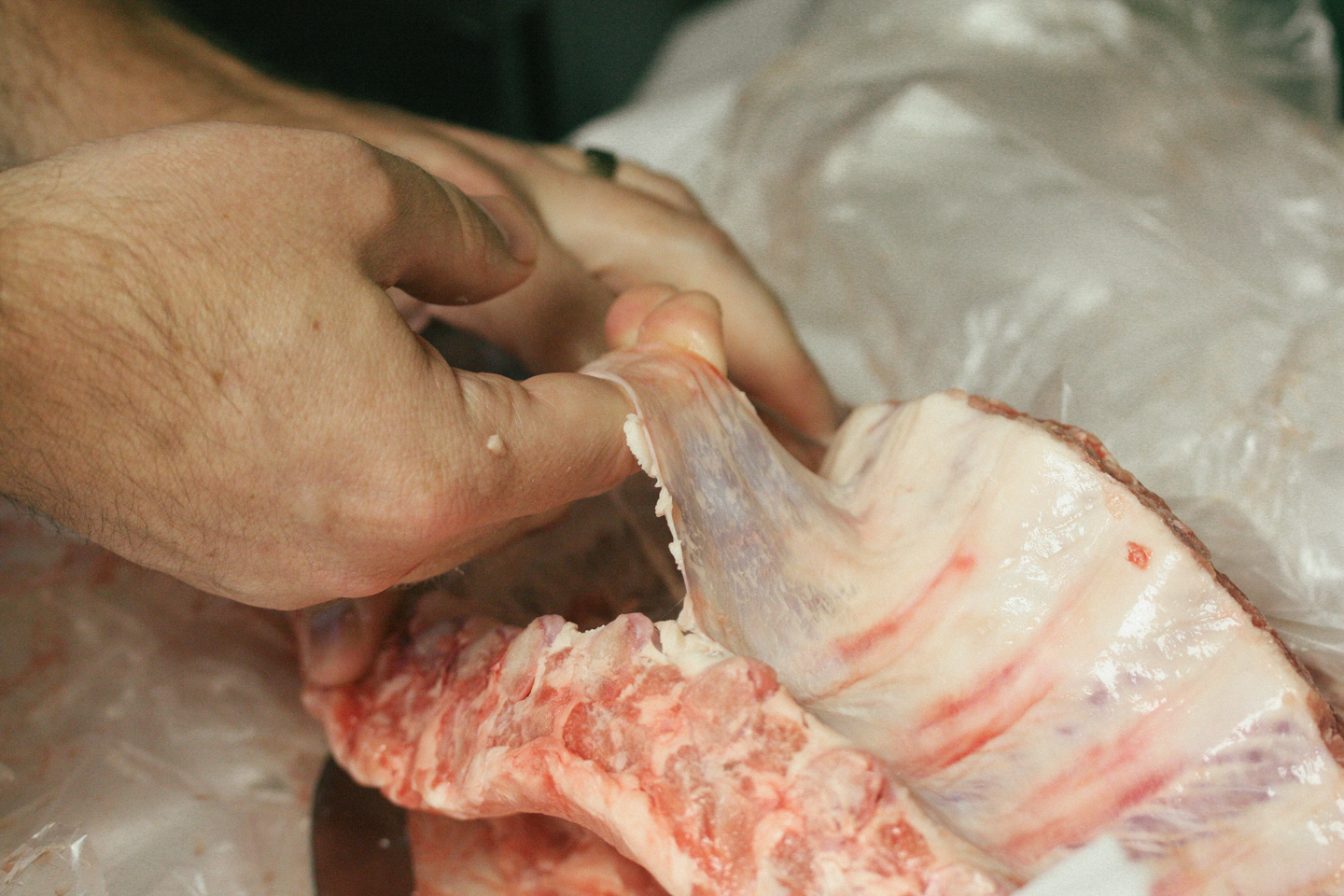
Then get your hand under the membrane to remove

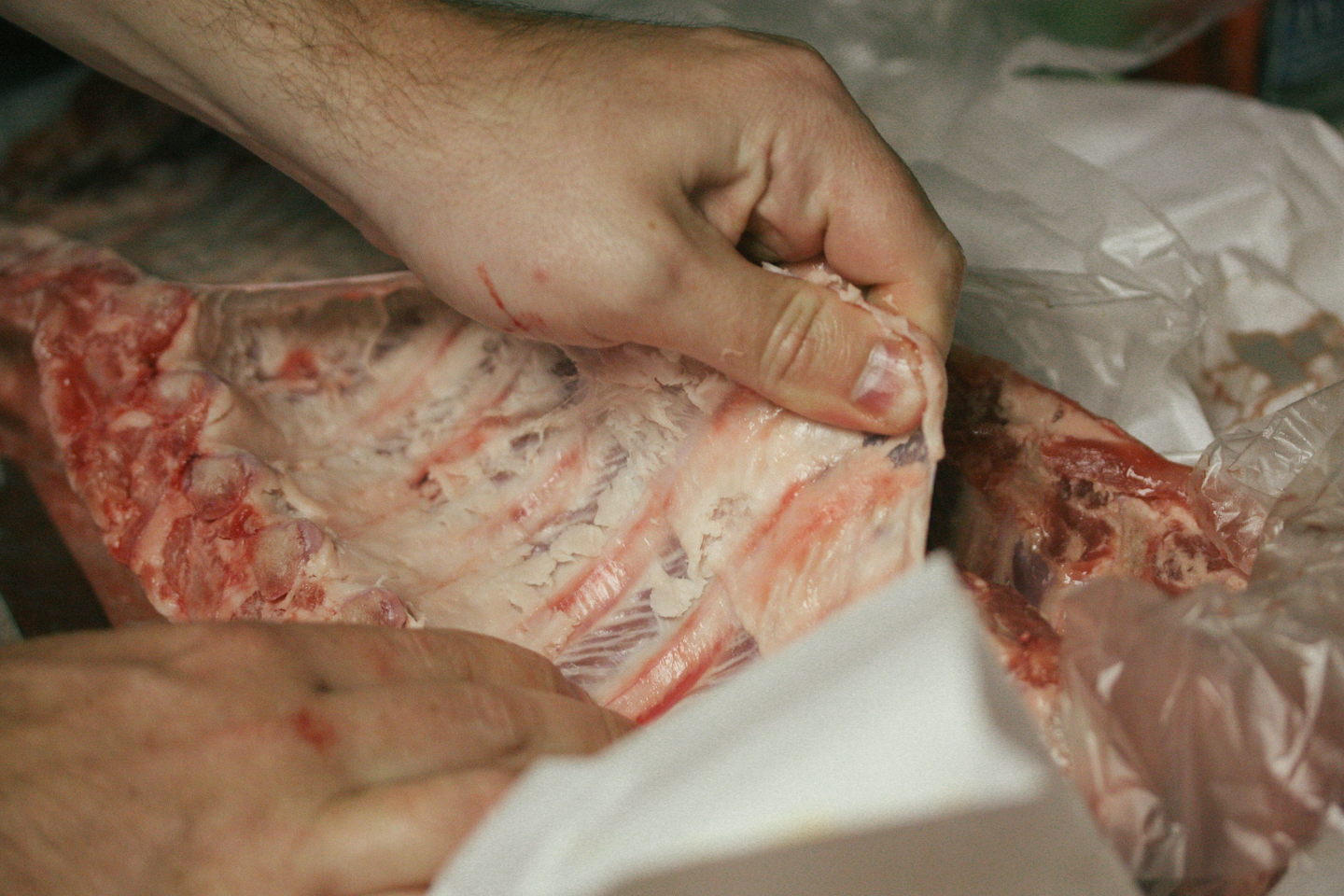
Once you're under the membrane, it should pull away fairly easily
Once you’re under the membrane, it should pull away fairly easily

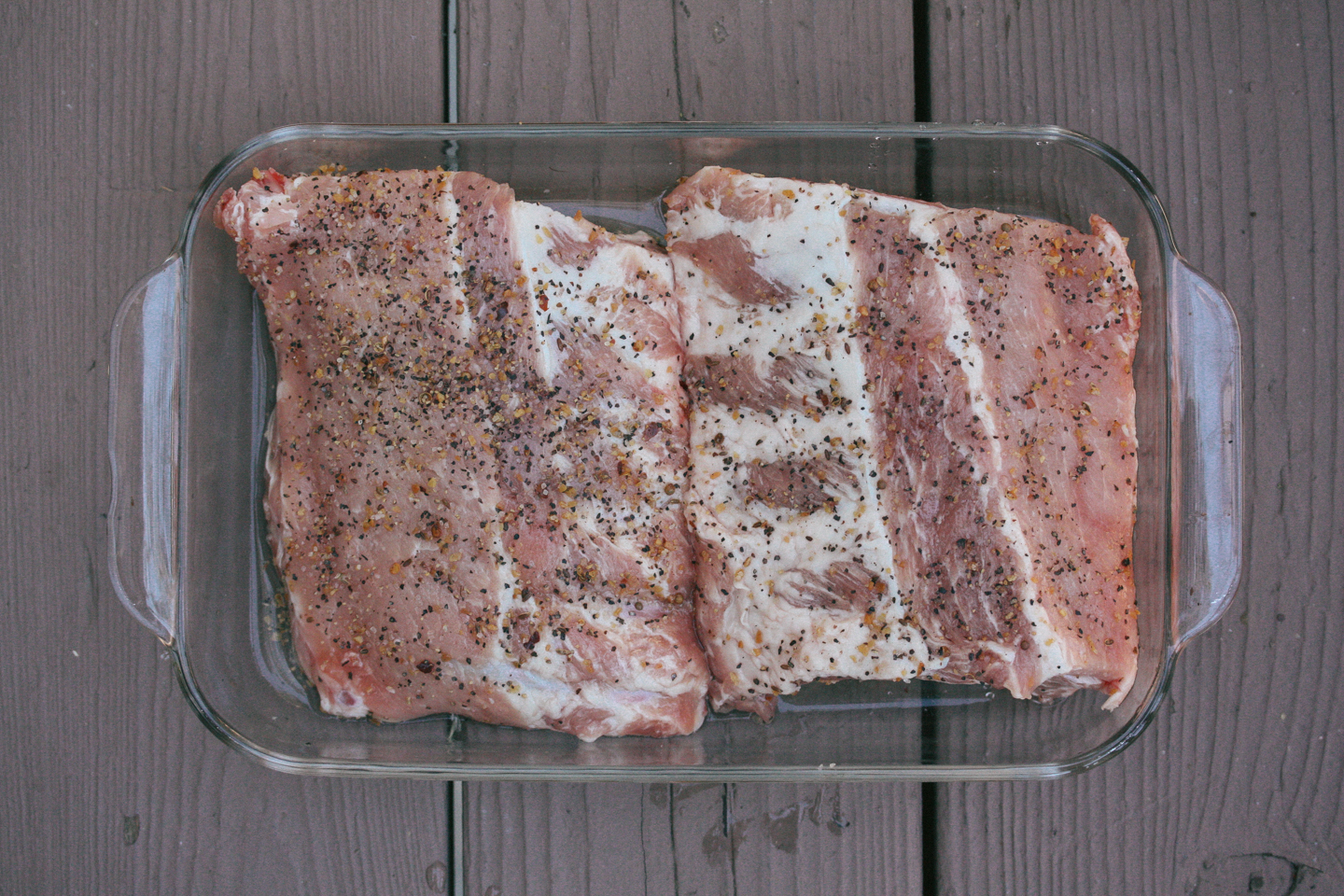
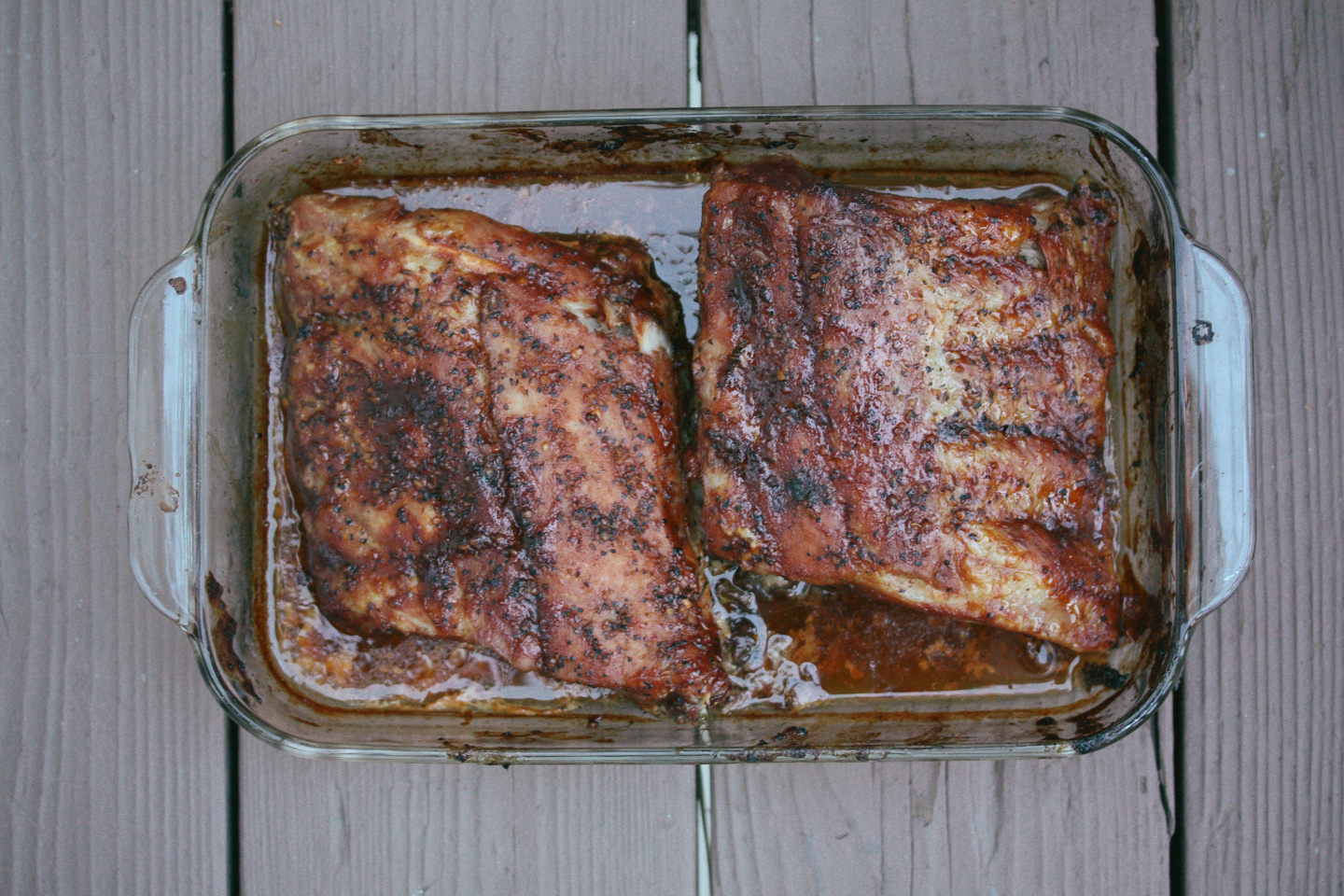
Ribs before the oven

Ribs after the oven
Ribs after the oven

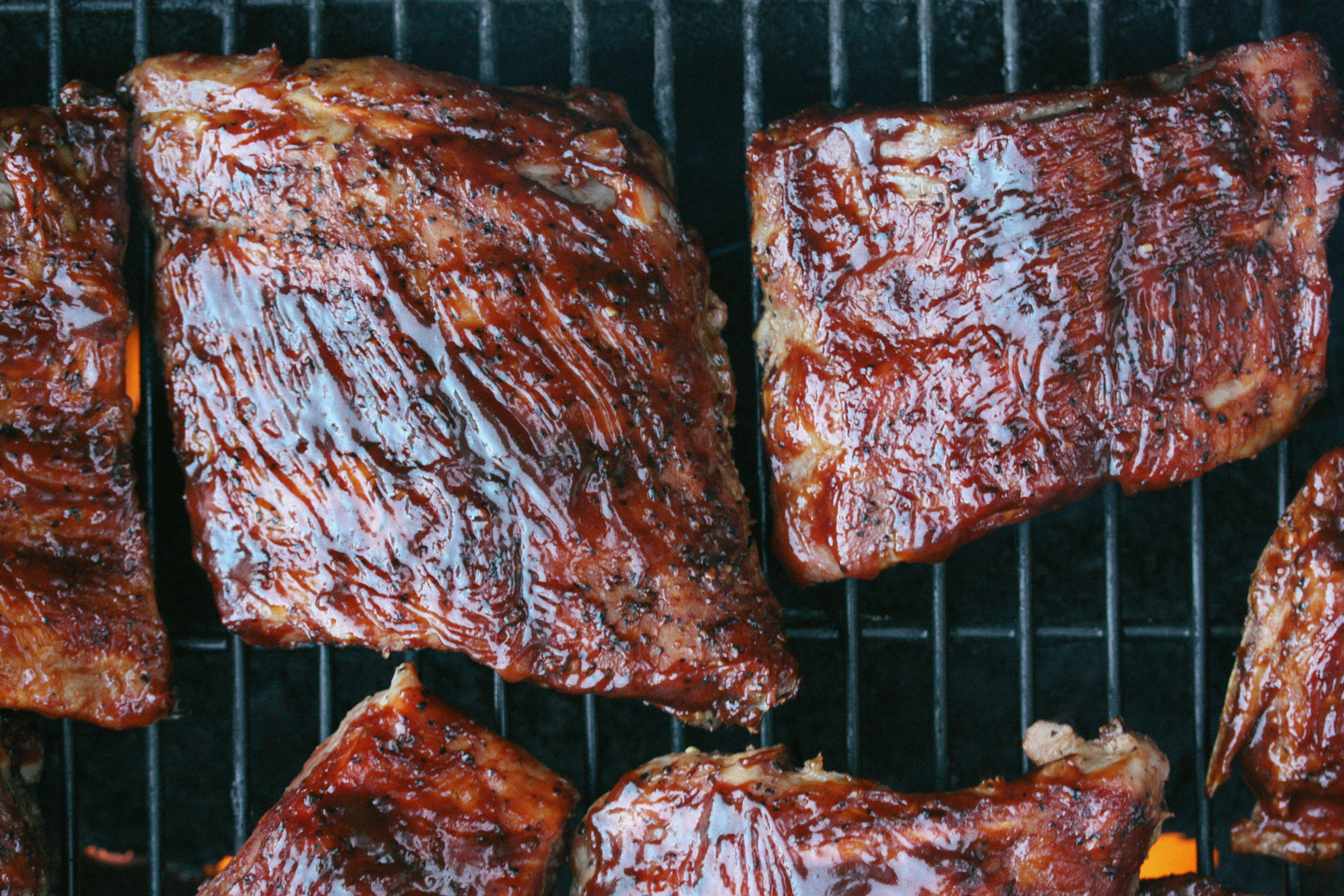
Ribs on the grill
Ribs on the grill

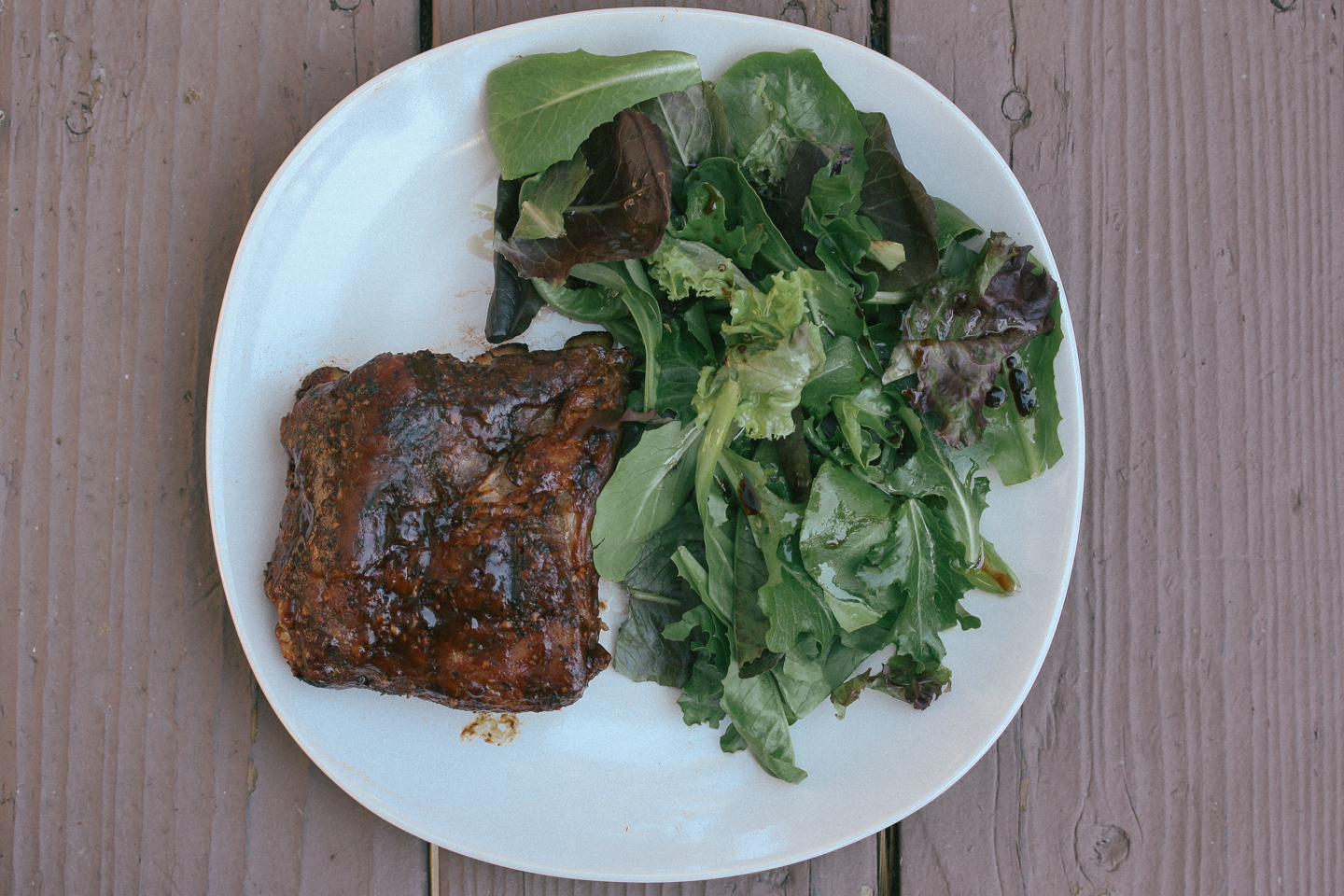
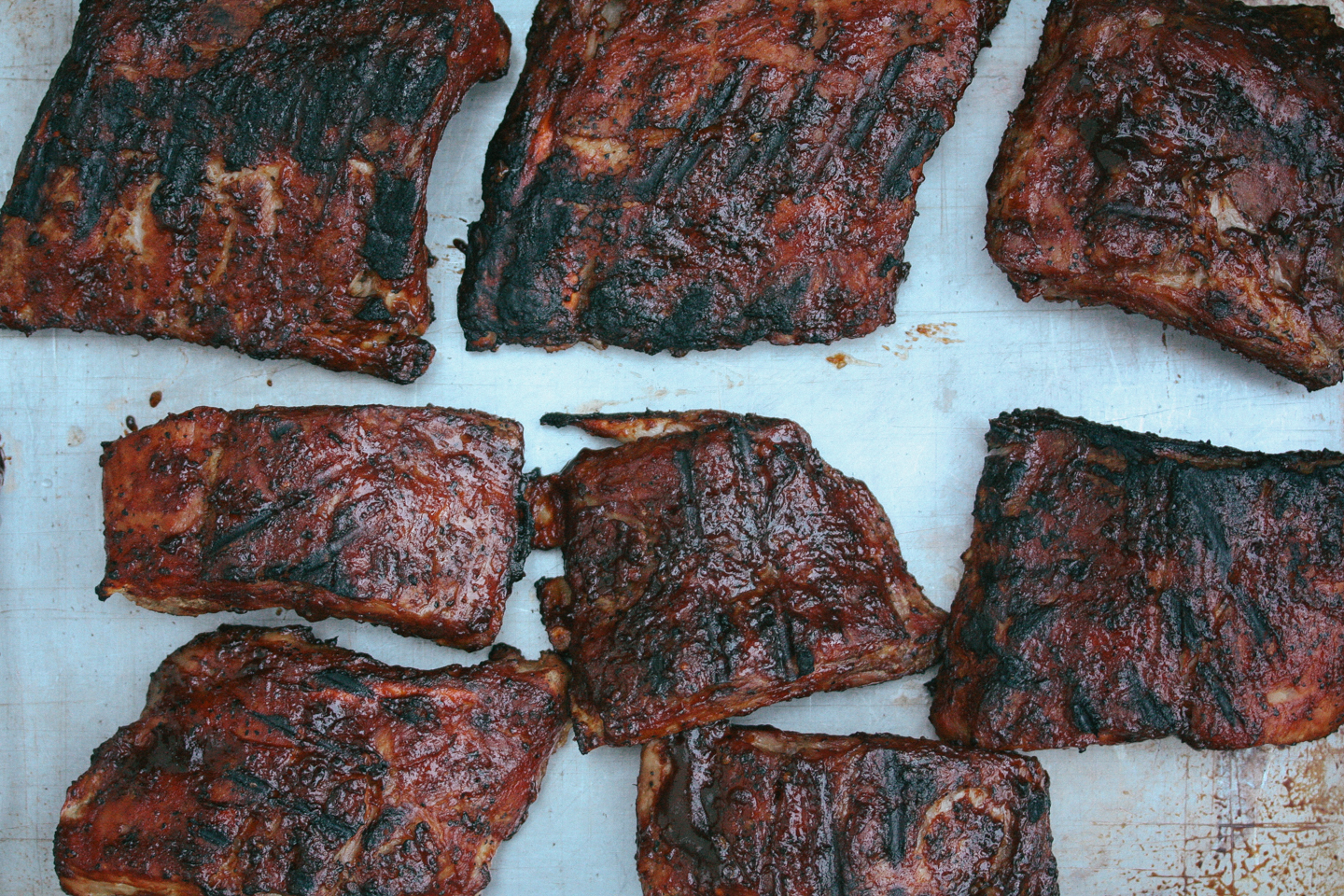
Ribs off the grill ready to eat!

Dad's Ribs
2015-09-06 21:36:32
Save Recipe
Print
Ingredients
  1. 1 Rack Pork Ribs (I prefer St. Louis)
  2. Dry Rub of your choice (My dad always uses Montreal steak seasoning)
  3. BBQ Sauce of choice (I like Bone Suckin’ Sauce)
Instructions
  1. Preheat oven to 300.
  2. Remove the back membrane of the ribs with a butter knife. You MUST do this step or else the ribs will all stick together and not fall off the bone. You’ll most likely need to cut down the rack of ribs into smaller sections to fit in a glass dish or roasting pan.
  3. Apply the dry rub to both sides of the ribs. Place ribs in glass dish/roasting pan and line the bottom with around a half inch of water. Cover with aluminum foil and bake for 2.5 hours.
  4. After 2.5 hours take the ribs out of the oven and apply some BBQ sauce to both sides of the ribs with a basting brush. Raise the temperature to 350 degrees then return the ribs to the oven and cook them uncovered for another 30 min.
  5. After they’re done in the oven turn the BBQ to high and throw them on the BBQ just enough to char. Apply more BBQ sauce to taste while on the BBQ. Char to taste then enjoy all the ribs you can eat (or until they’re gone)!
Notes
  1. This recipe never fails.
That's So Primal https://www.thatssoprimal.com/

How to Fit in a Workout: 5 Lessons I’ve Learned

How to Fit in a Workout: 5 Lessons I’ve Learned

Fitting in a workout is hard. Before I go any further though, let me clarify what I mean by “workout”. So often we see that word, “Workout”, and then completely disregard anything mentioned after that word. Please don’t do that here! I have a specific type of workout in mind. This post isn’t for those already into Crossfit, or those who have been working out everyday for the past 20 years of their life. These are some tips I discovered when I first went Primal – They are great tips for fitting in a workout with a busy work and family schedule.

When I first went Primal it was in the context of doing Mark Sisson’s Primal Blueprint “21 Day Challenge”, where Mark laid out various types of exercise. These are the three main forms of exercise: move frequently at a slow pace, lift heavy things and sprint every once in awhile. During the 21 days these exercises were spread out, and I was dedicated to finishing them so I could complete “the 21 days”. However, I needed to work this into my normal routine after those 21 days were over. This is where I feel that most people fall off the Primal (or any exercise regime) bandwagon. The goal of fitting in a regular workout is consistency, and the only way I figured I could fit in a workout was if I matched the exercises up with things I already do consistently.

The Workout

As I mentioned above. The Primal exercise foundation laid out by Mark consists of three things: move frequently at a slow pace, lift heavy things and sprint every once in awhile. Here’s how it broke down for me:

  1. Move everyday: walk (not run) as much as possible everyday.
  2. Lift 2 times a week: 1 or 2 sets of 50 pushups, 50 squats, 12 pull-ups & 2 minutes plank. 
  3. Sprint every 7–10 days: All out sprints for no more than 10 min.

Now that list may seem daunting to you, but don’t let it. I work 40 hours a week, spend time with my family and have busy weekends – and I have found a way to consistently do these exercises for the past 4 years. Like I said, the goal is to match up these exercises with things you already do everyday or every week, and then making them a habit. The way to do it is by analyzing the things you do throughout the day, everyday, and try to fit in these exercises at the same time as those things. It’s worked for me and hopefully it will work for you!

1. Lift while you brew your coffee

While I enjoy a good Chemex, I use the Bonavita every morning for my wife and I. Mainly because I’m too lazy for the Chemex. This normally takes about 10 minutes to brew the whole pot. Just enough time for you to do the lifting exercises right there in your kitchen, living room or backyard at the early hours of the morning before you go to work. This means you can fit it in before you take care of the kids and even before you take a shower. The only piece of “gym” equipment required is a pull up bar. If you don’t have one, I suggest you get this one and put in in your door frame somewhere in your house and leave it there. Or if you have a good tree limb in your backyard, you can do your pull-ups there. Otherwise these exercises are only using your bodyweight so no other equipment is required.

2. Lift while you watch TV

Don’t lie. We all watch too much TV. Too much Netflix. Too much stuff. But because we do this everyday, it makes a great consistent thing to pair with our exercise. While you’re watching TV – one day out of the week just get up and do one set of the lifting exercises listed above. On another day throughout the week while you’re watching TV try to do 2 sets of the lifting exercises above. This is something couples can do once the kids are asleep, or even if they’re awake. They’ll probably just look at you and laugh – or they’ll try to join you. Though it may sound weird at first, it only takes 2 days to do it and you’ll feel better after you start doing it consistently. That way you can look back and not feel so guilty for binge watching the newest Netflix series.

3. Sprint with your dog in the backyard

First, if you don’t have a dog, you need to get one. Second, this only takes 10 minutes, every 7–10 days! C’mon, that’s something you can do! Third, dogs have to be let outside every once in awhile. So this is definitely something you have to do at some point throughout the day/week. Now this has to be an all out sprint, rest, sprint, rest, etc… Sprint as hard as you can for 15-20 seconds, and rest for the remainder of that minute, then at the top of the next minute go again and rest and repeat until you have completed 10 minutes. This is easily accomplished for me with my Boston Terrier, Rigamarole. See, all I have to do is chase him like I’m chasing a pig to hogtie for dinner, and man it wears me out.  (Don’t worry, I’d never eat my dog.) If you don’t have a big enough backyard, just try to find a park close to your home and run around there.

4. Move when you park your car

Fitting in 10,000 steps a day is pretty tough when you drive to work and sit at a desk all day. To reach 10,000 steps a day you’ll need to probably walk for about 100 minutes. The best way to tackle that is piece by piece. You can start by parking your car far away from your office/work/school/stores and take the “long way” to get to where you are going. That way you get in a good amount of steps at the start of your day, at the end of your day and in even in between. Do it, and you’ll be surprised at how many steps are added to your day when you park far away. Most smart phones can track steps, or you can pickup an activity tracker: Jawbone, Fitbit, Basis, Misfit. 

5. Take breaks throughout the day to move

Not everyone takes breaks throughout the day, but just because they don’t, it doesn’t mean that’s a good thing to skip breaks. You should be taking walking breaks throughout your work/school day. If you take 2 moving breaks throughout the day for 15 minutes each, you should easily be able to hit 3,000 steps. Couple this with your walk to and from the car and you’re chiseling away nicely at that 10,000 steps a day.


Now these are just some tips I’ve picked up along the way, but they’re effective because I coupled them with things I already do everyday, like making coffee and walking to and from my car. Going Primal will take a little more thought and intention throughout your day, but in the end you’ll be pleased that you were able to fit in moving frequently at a slow pace, lifting heavy things and sprinting every once in awhile.

« Previous Page
Next Page »

Primary Sidebar

Howdy, Y’all…

Craving a deeper connection to your food and a life lived in harmony with nature? This is your one-stop shop for all things primal living! Dive into informative articles exploring the ancestral approach to health and wellness. Get your paleo and primal recipe fix with delicious, nourishing creations that fuel your body. And learn how to integrate primal practices into your daily routine, from nose-to-tail eating to mindfulness tips – thatssoprimal.com is your guide to unlocking your inner primal self!
Read more…

Categories

  • About
  • Activities
  • Beef
  • Book Reviews
  • Desserts
  • Essential Tools
  • Insects
  • Interviews
  • Lifestyle
  • Pork
  • Product Reviews
  • Recipes
  • Sides
  • Snacks
  • Soups
  • Vegetables

Recent Posts

  • The 5-Minute “Cheat Code” for Your Christmas Dinner
  • No Plastic Junk: 10 Primal Tools To Equip Your Tribe
  • Taco Bowls
  • Stop Performing, Start Living
  • Instant Pot Smoked Pulled Pork

Newsletter

AD

Copyright © 2026 That's So Primal on the Foodie Pro Theme